
The allure of chance: Understanding risk-taking behavior
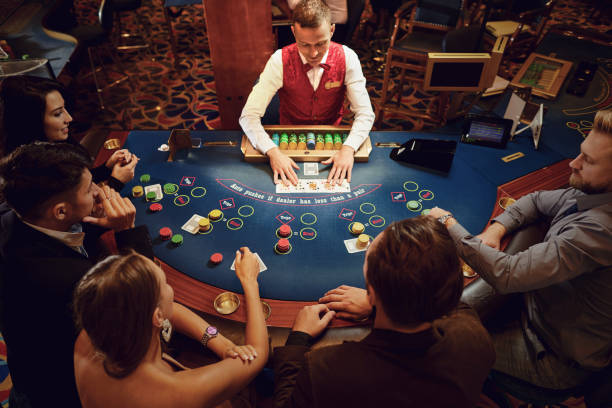
Human beings are naturally drawn to risk, especially in environments where the outcome is uncertain and rewards can be substantial. Casino games, with their inherent element of chance, tap into this fascination with risk-taking. The thrill of potentially winning large sums of money fuels excitement and engages players’ emotions, prompting them to explore various game options. Many players look for opportunities to maximize their winnings through strategies, including free bets, which can enhance their gaming experience.

This attraction to risk is compounded by psychological theories such as the prospect theory, which suggests that individuals are more motivated by the possibility of losing something than by the chance of gaining a reward. This explains why players might choose games with higher volatility, where the potential for significant wins exists alongside towering risks of loss.
Cognitive biases in game selection
Cognitive biases play a crucial role in influencing how players choose their casino games. One common bias is the gambler’s fallacy, which leads individuals to believe that previous outcomes will affect future results. This misconception often drives players to pick games based on streaks or patterns rather than on statistical probabilities, ultimately impacting their gaming choices.
Another factor is the illusion of control, where players feel they have the power to influence outcomes through their actions. This can make skill-based games more appealing to those who believe they can change the course of the game, leading to preferences for games like poker or blackjack over purely chance-based options such as slot machines.
Emotional factors in gaming preferences
The emotional state of players also significantly impacts their game choices in casinos. Many individuals seek out gaming experiences that match their current mood. For example, someone feeling adventurous may be drawn to high-stakes table games, while those looking for a more relaxing experience may opt for low-stakes slots.
Moreover, social interaction can enhance the appeal of certain games. Multiplayer games provide a communal atmosphere that can heighten enjoyment, leading players to select these games over solitary options. The combination of emotional satisfaction and social engagement can heavily influence the types of games individuals choose to play.
Brand influence: The role of advertising and reputation
The branding of casino games plays a significant role in attracting players. Advertisements and promotions not only showcase the games but also create a perception of value and excitement. Players often gravitate toward games that are marketed as popular or have a reputation for big payouts, regardless of their actual odds.
In addition, the familiarity of certain games can draw players back. Well-known titles or franchises can leverage their brand presence to entice players, even if they might not offer the best odds. This illustrates how marketing and brand loyalty can profoundly shape the psychology behind game choices in the casino environment.
Your safe space for casino insights
Our website is dedicated to providing you with a safe and informative experience as you explore the world of casino games. We prioritize your security while delivering content that enhances your understanding of gaming psychology. Whether you are a casual player or a seasoned gambler, our resources aim to inform and enrich your online interactions.
With advanced security measures in place, you can browse our content with confidence, knowing that your online experience is safeguarded. Our dedicated support team is always available to assist you, ensuring that your journey into the psychology of casino game choices is as seamless as possible.